
Over the past three years, the Municipality of Milan has taken part in the European project EDUFIRST, using it as an opportunity to reflect on how early childhood education and care (ECEC) services can respond to inequalities, strengthen inclusion and participation, and become more integrated, accessible and responsive to children, families and communities.
The Milan experience did not revolve around a single activity. It combined research, training, listening, professional dialogue and co-design, and at different stages involved educators, managers of Educational Units, members of the technical-pedagogical coordination, families and other professionals. Activities included peer learning with European partners, listening seminars, participatory workshops, and thematic working groups on educational continuity, family participation, inclusion and self-evaluation, and the European Child Guarantee. Practices emerging from services were documented, discussed and connected with the European ECEC debate. Through contributions to project publications, the team moved from describing individual experiences to examining the issues that cut across them, from continuity and inequalities to the relationship between services, families and territories.
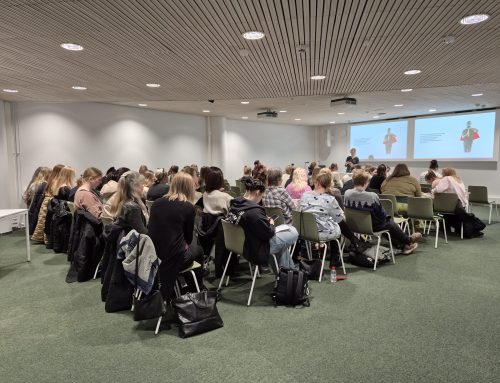
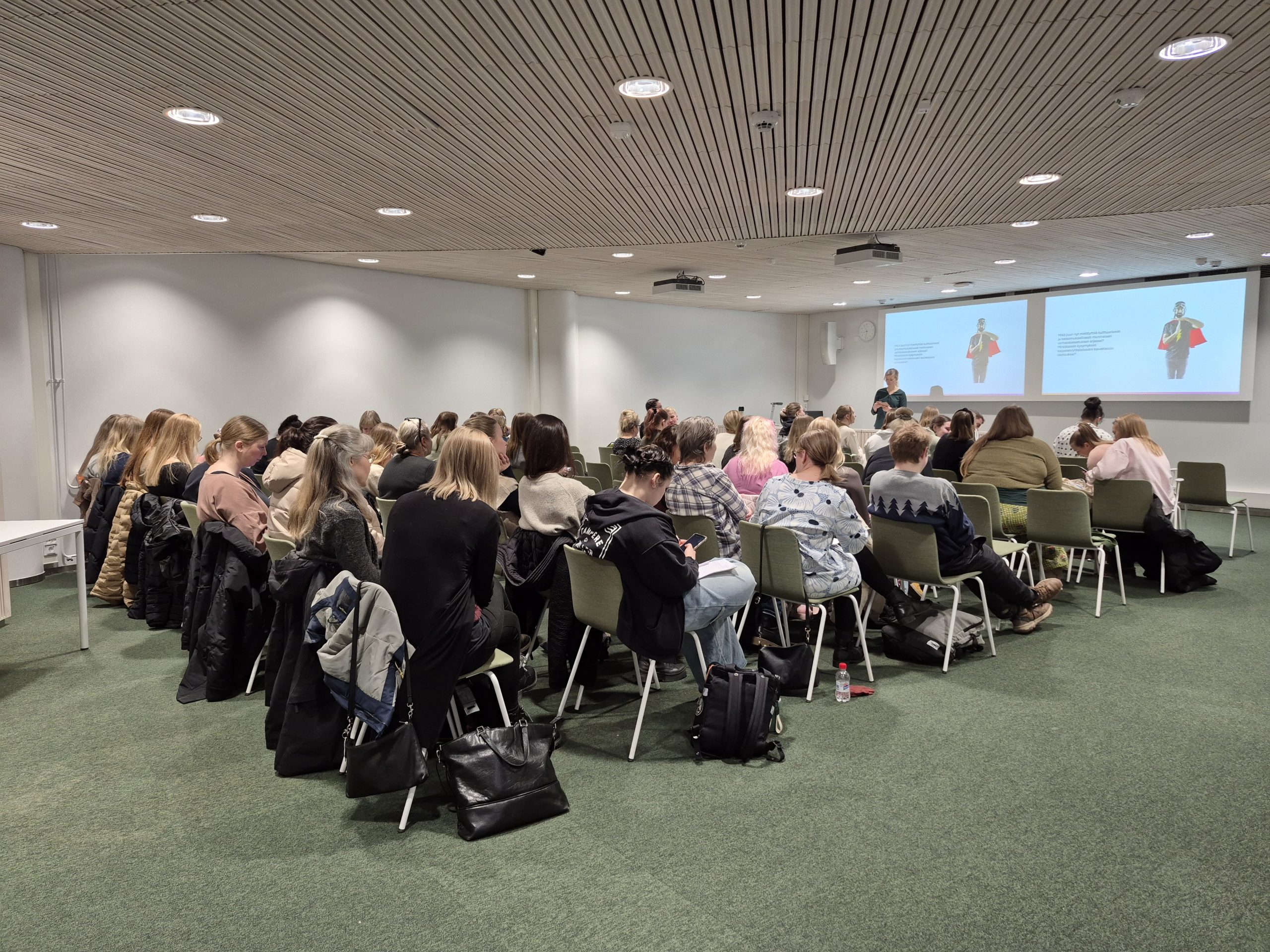
In the final year of the project, a 35-hour blended training programme involved 40 professionals from Milan’s municipal early childhood services. Combining shared reflection, individual work and exchange of practices, it focused on the European Child Guarantee and educational poverty, intercultural perspectives, inclusion, family participation and continuity across the 0–6 system.
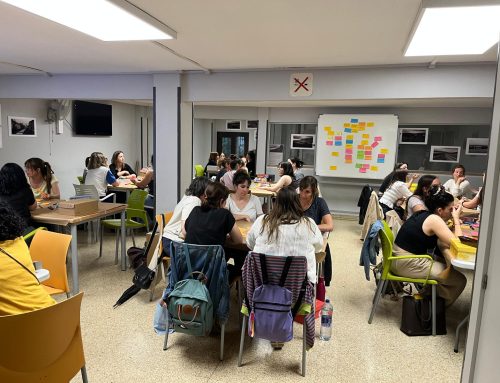
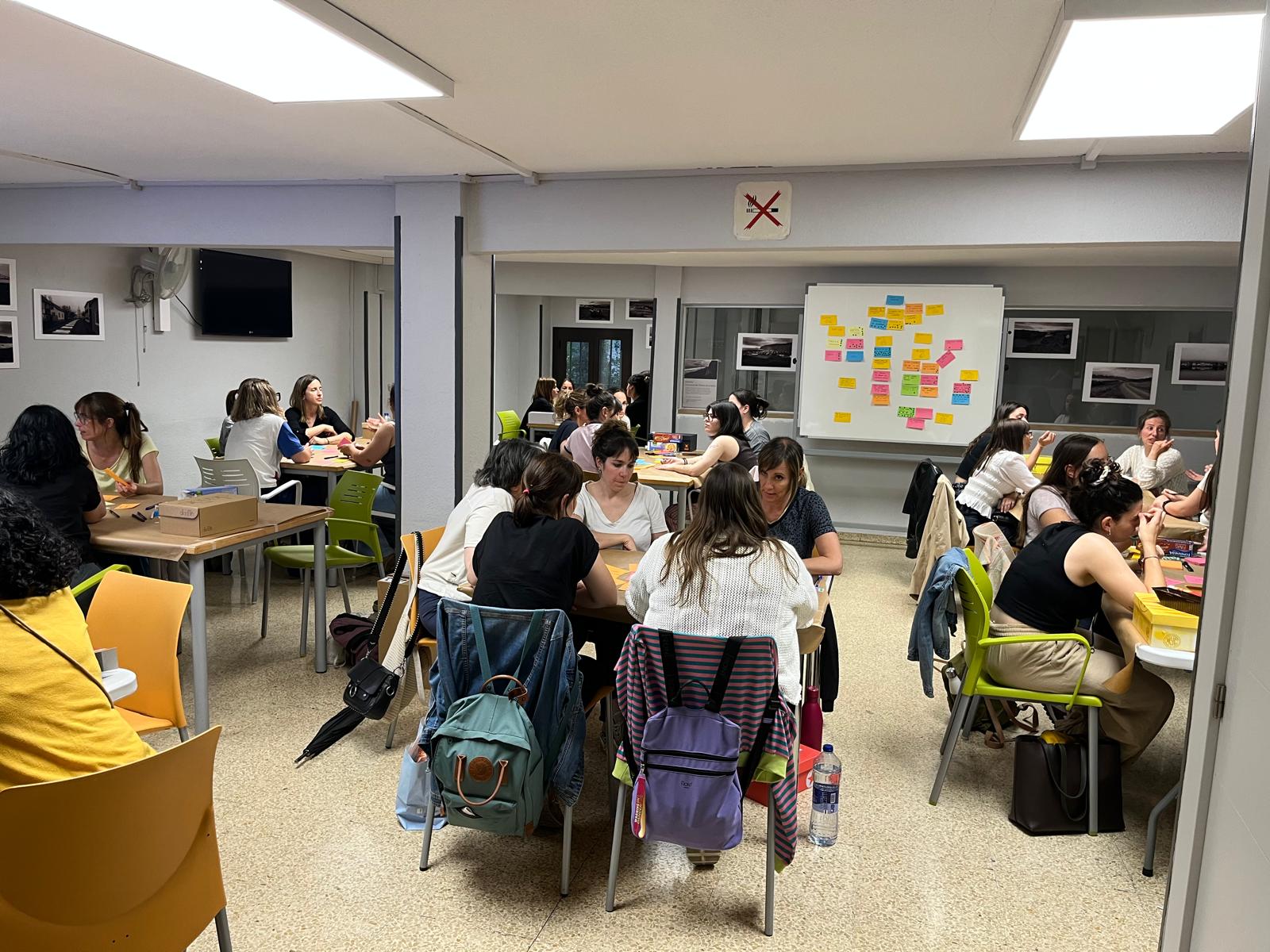
Participatory and design thinking activities followed. A first workshop at LABZEROSEI in Parco Trotter brought together 16 educators and members of the technical-pedagogical coordination; a second session involved 28 managers of Educational Units. Building on questions raised in earlier phases, participants were asked to imagine how services could change, as well as to name the problems they face. Natural and open-ended materials, metaphors and small installations served as mediators, giving form to intuitions, tensions and pedagogical positions that words alone do not easily capture. The resulting artefacts became the starting point for co-design around more flexible and inclusive services, closer relationships with families and communities, and responses to vulnerability and educational poverty.
From Milan to Barcelona — and back to Milan
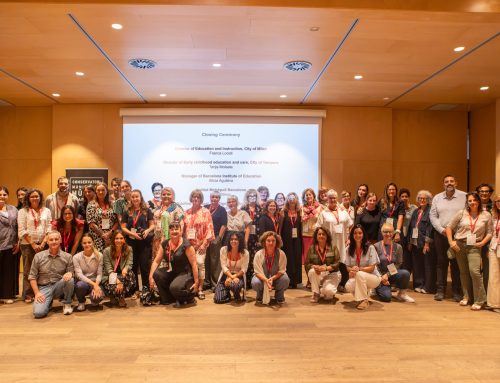
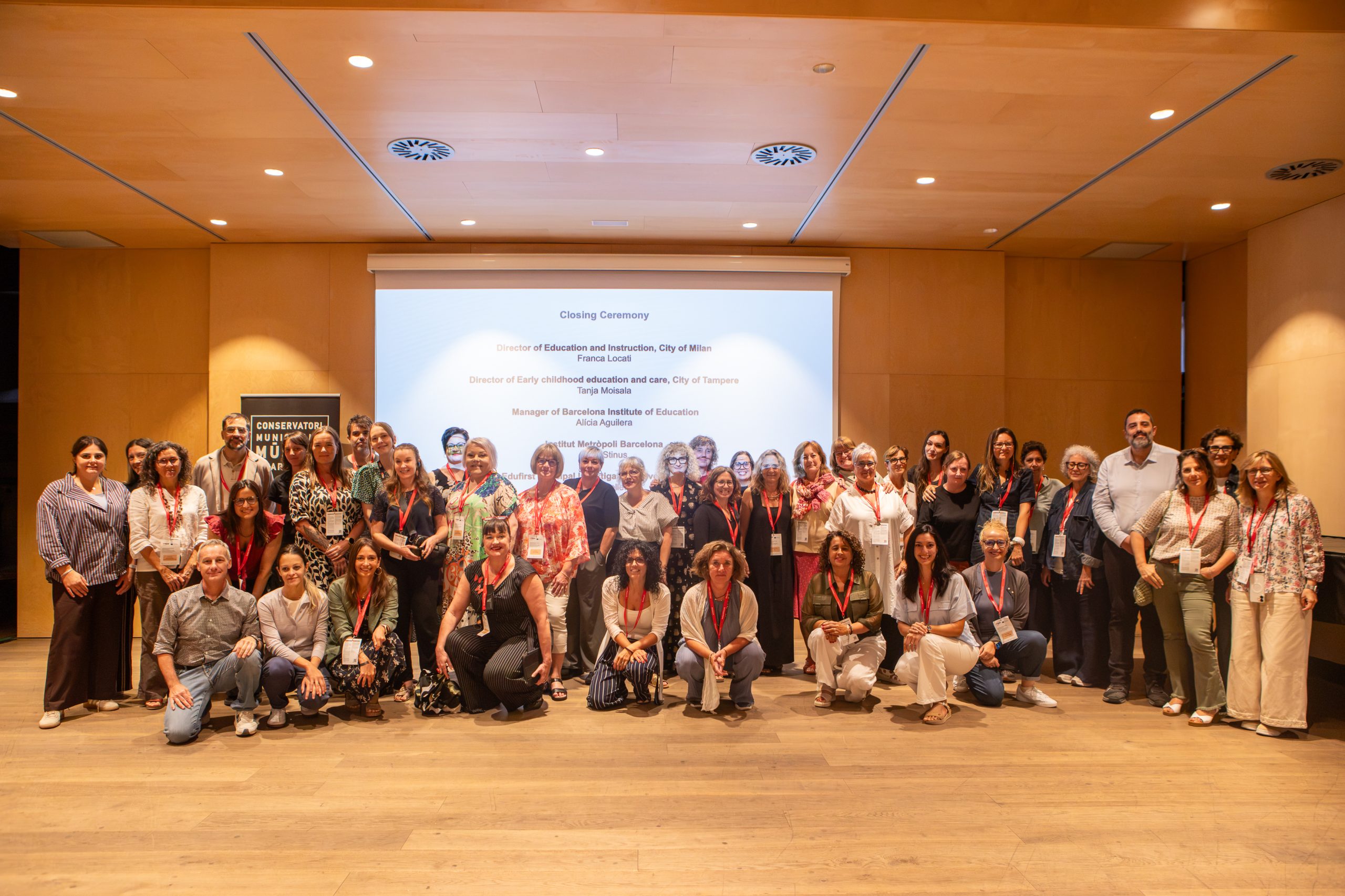
The final international conference, held in Barcelona on 21–22 September 2026, brought together the experiences developed in Milan, Barcelona, Vic and Tampere. Beyond disseminating results, it offered a space to compare perspectives, recognise shared challenges and ask which elements of three years of work should outlast the project’s formal end.
In Milan, this question has already produced a concrete follow-up. A working group has been set up to pursue some of the issues raised by the project and to embed them in an ongoing process of reflection and development within the city’s 0–6 system. Its task is to hold three levels in systematic connection.
At the micro level, the focus is on everyday educational practice: relationships with children and families, the work of educational teams, the organisation of spaces and times, and the ways professionals interpret participation, inclusion, continuity and difference.
At the meso level, the aim is to recognise, document and connect significant practices developed across Educational Units and services, so that they become shared knowledge and resources for professional learning rather than remaining isolated local experiences.
At the macro level, these experiences need to enter into dialogue with the city: its policies, institutional strategies, territories and networks, and the broader question of how a large urban ECEC system can help tackle inequalities and make children’s rights more visible and actionable.
Connecting these levels means understanding educational innovation as a circular process rather than as the introduction of isolated new practices. Everyday experience informs organisational learning and city-level strategies; policies and orientations, in turn, create the conditions for meaningful change in educational settings.
EDUFIRST has formally ended, but the questions it opened remain on the table. For Milan, its most tangible legacy is the commitment to keep open spaces where practices can be listened to, questioned and documented, and where the relationship between services, territories and the city continues to be built. The new working group is the first step in that direction.

Deixeu un comentari