

The Edufirst project concludes after three years of work with a clear proposal: early childhood education and care services (0–6 years) need to move towards more global and responsive models, capable of addressing diversity and inequalities from a perspective of inclusion, equity, community participation and climate justice.
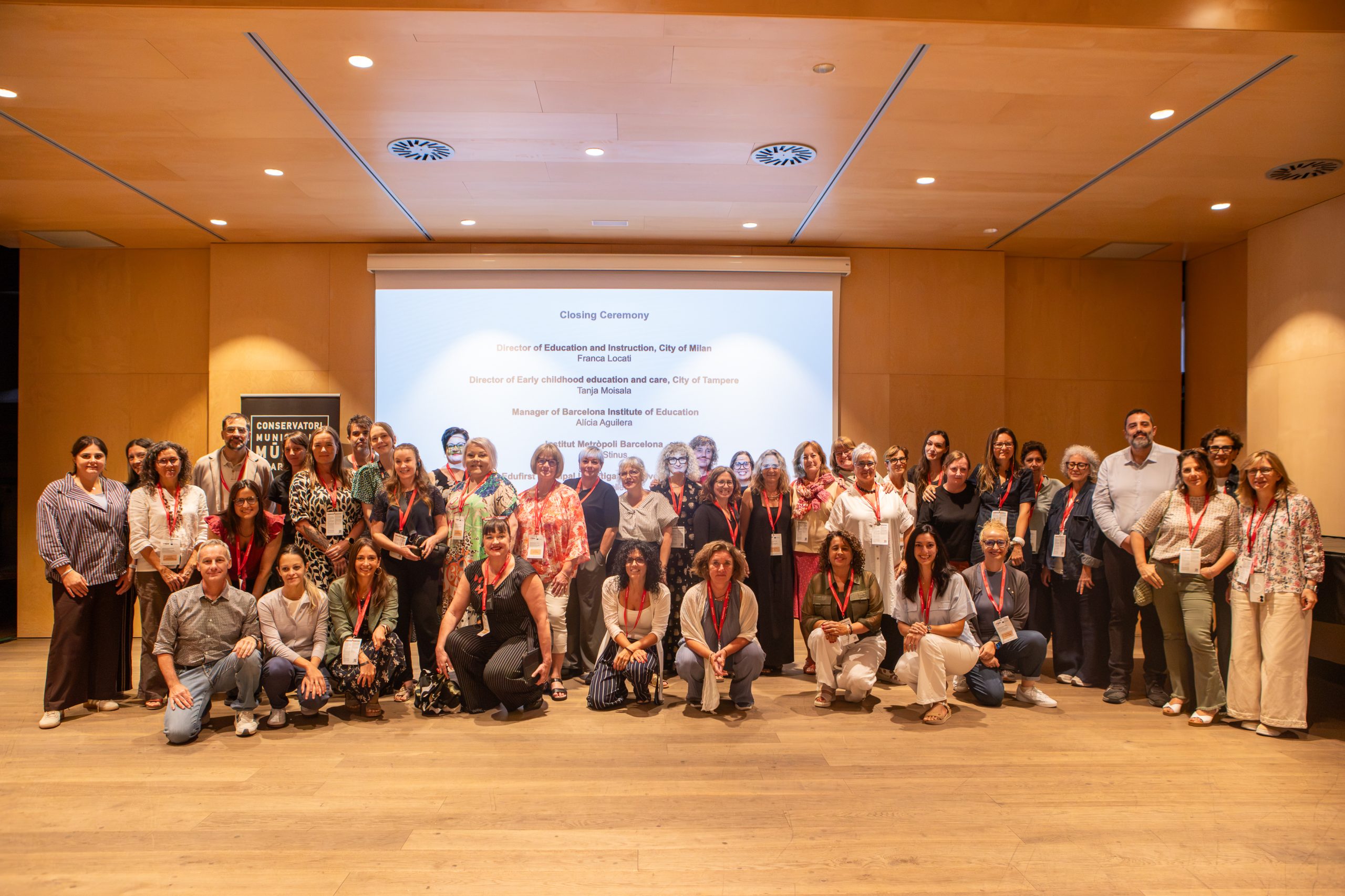
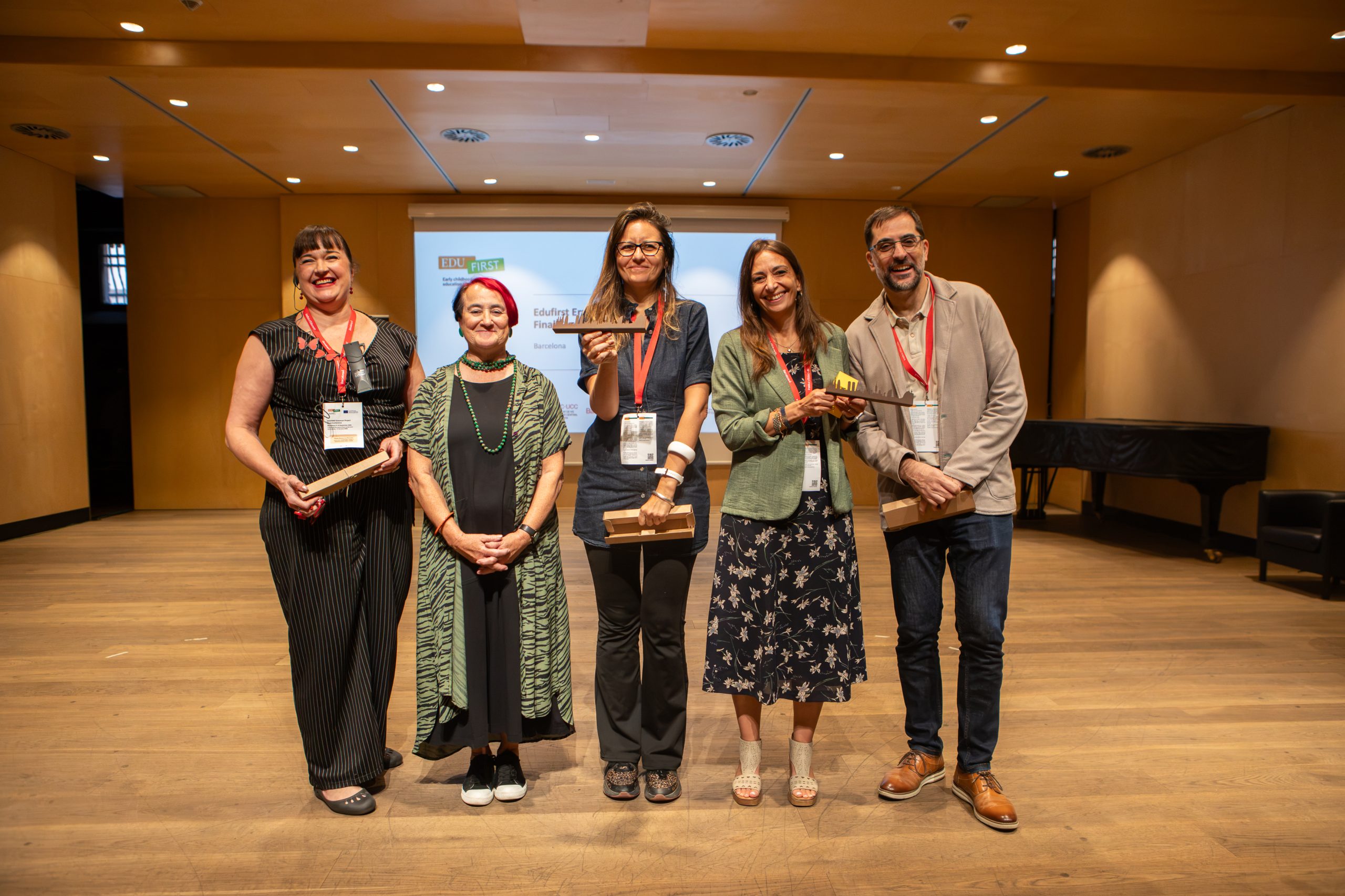
Over these three years, the project has combined European cooperation, research and participatory processes involving professionals, families and universities to identify the main challenges currently facing early childhood services and to develop tools and proposals to address them. The results of the Edufirst project were presented on 21 and 22 September at the Municipal Conservatory of Music in Barcelona, at a final conference bringing together more than 150 education professionals, researchers, policymakers and representatives of international and European organisations.
“Early childhood services need to be able to respond to increasingly diverse and complex societies. This means not thinking about each service in isolation, but developing a global approach that connects the needs of children and families with communities and public policies,” says Jordi Collet, principal investigator of the Edufirst project and a member of the Educational Research Group (GREUV) at UVic-UCC. In this regard, Collet emphasises that the 0–6 age range is a crucial period in children’s development and educational trajectories, and that ensuring high-quality education and care during this stage is also a way of preventing educational inequalities and reducing the risk of later school failure.
More accessible, flexible and locally connected services
One of the main conclusions of Edufirst, funded by the European Union’s Erasmus+ programme, is the need to move towards early childhood services based on a more global and coherent approach, with greater diversity, accessibility and flexibility, and stronger connections to the needs of children, families and local communities.
In this regard, the project advocates moving towards universal access by diversifying services and strengthening their quality from a rights-based, inclusive and equitable perspective. It also highlights the need to develop new forms of governance that ensure greater coherence between political, institutional and pedagogical decisions.
Another aspect that Edufirst considers essential is strengthening training, professional development and recognition for people working in the early childhood sector.
The project also emphasises the community dimension of services. Its conclusions suggest that these services can play a more active role in building cohesive communities by working collaboratively with families, schools, public authorities, organisations and other local stakeholders. According to Edufirst, this approach makes it possible to respond more effectively both to existing inequalities and to emerging challenges linked to migration, emergency situations and the climate crisis.
Edufirst shows that improving early childhood services depends not only on what happens within individual centres. We need to strengthen networking, family and community participation, and coordination between different levels of decision-making in order to build more equitable and sustainable responses,” explains Collet.
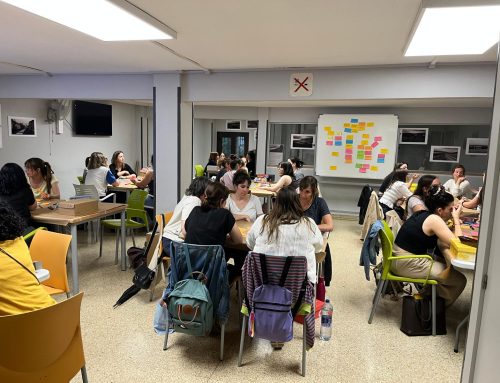
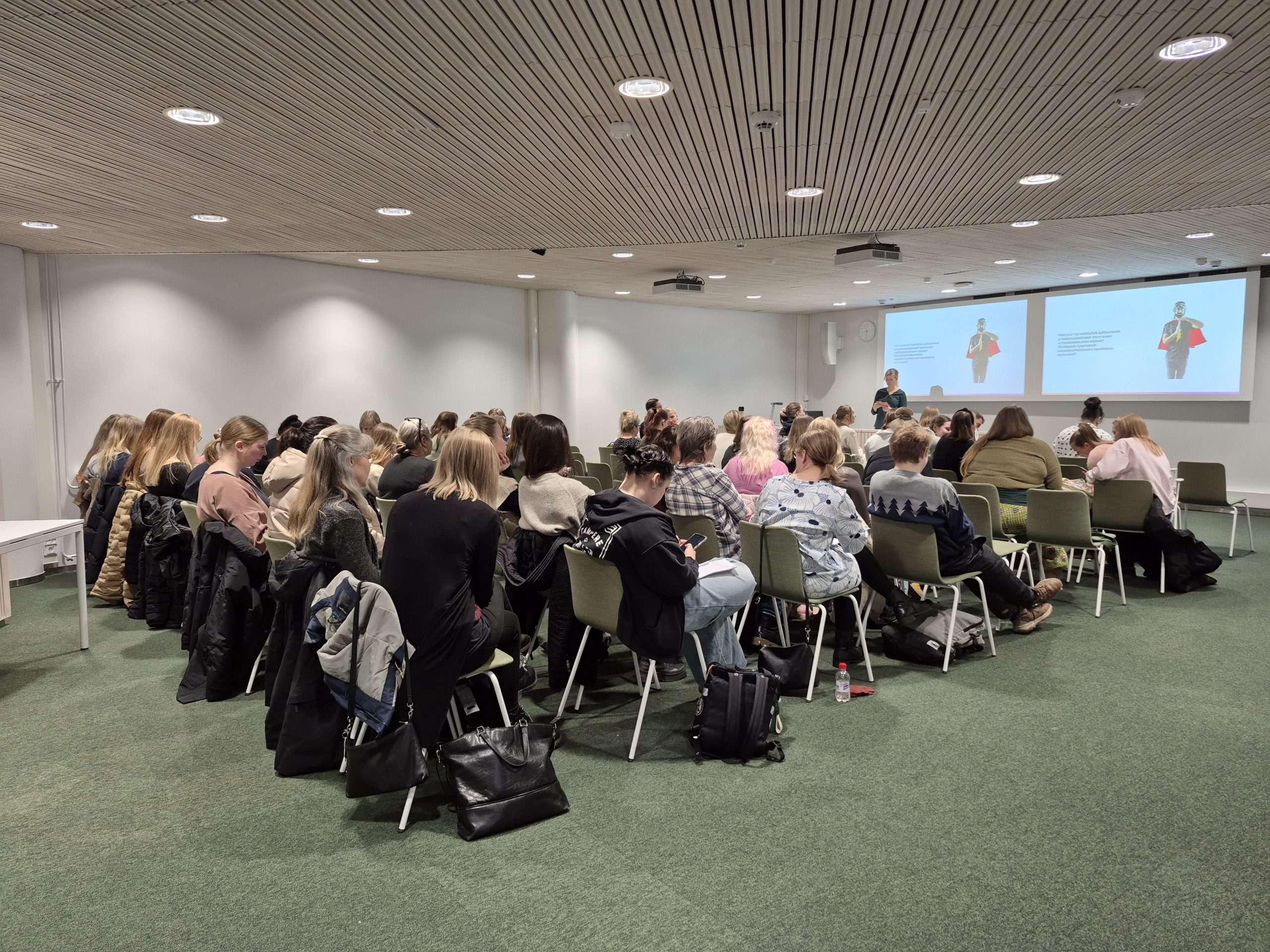
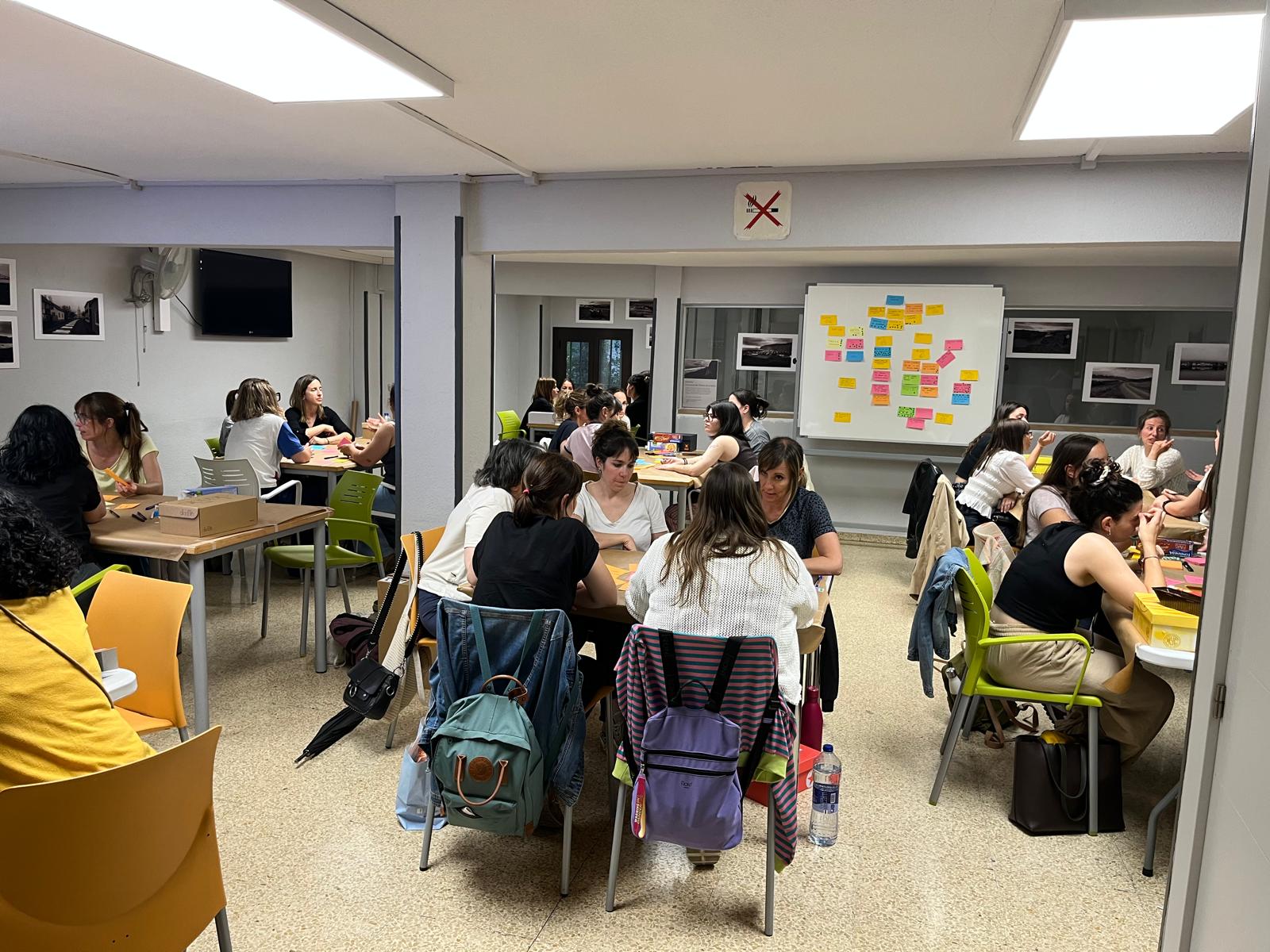
The project’s conclusions are the result of a broad participatory process. The workshops held during 2025 involved more than 150 professionals from Barcelona, Tampere, Milan and Vic, who worked together to identify challenges and co-create potential solutions. In parallel, Edufirst developed a professional training programme that reached 200 people, including educators, centre managers and members of the university community.
A book, a self-assessment tool and a Digital Toolkit
Among the project’s main final outputs is the publication by Peter Lang of the open-access book Towards a New Global and Responsive Approach to Early Childhood Education and Care Services. Lessons from Barcelona, Milan and Tampere. The publication brings together the learning from the three years of Edufirst and includes a European self-assessment tool enabling early childhood education and care services to identify areas for improvement and develop their own transformation processes.
Edufirst has also developed a Digital Toolkit, which will be available at the end of October. Aimed at professionals working in early childhood education and care services, it will present the model developed by Edufirst as a proposal that can be transferred and adapted to different contexts. Among other resources, it will include the solutions co-created during the participatory workshops, the project book in different languages, audiovisual resources, training materials and experiences developed in the participating cities.
A European network to build on the project
Looking to the future, Edufirst proposes continuing the cooperation established over the past three years through the creation of a European network connecting early childhood services and families, universities, municipalities, regions, organisations and other stakeholders working in this field. This network would enable knowledge, experiences and resources to be shared and support the continued development of joint responses to current and future challenges facing early childhood education and care services.
In this context, the final conference in Barcelona will not only provide an opportunity to present the results of Edufirst, but also to open a debate on how Europe can move towards early childhood services that are more global, responsive, inclusive, equitable, community-based and sustainable.

Deixeu un comentari